What Is Dark Sky Lighting?
Dark Sky lighting is an approach to outdoor illumination that minimizes light pollution while maintaining safety, visibility, and architectural aesthetics. Rather than simply reducing the amount of light used, Dark Sky principles focus on directing light only where it is needed, reducing glare, limiting unnecessary skyglow, and minimizing light trespass onto neighboring properties.
Light pollution generally consists of four primary components:
- Skyglow: The brightening of the night sky caused by artificial light scattering in the atmosphere.
- Glare: Excessive brightness that reduces visibility and visual comfort.
- Light trespass: Unwanted light spilling onto adjacent properties or into windows.
- Clutter: Excessive concentrations of bright lighting that create visual confusion.
Poorly designed outdoor lighting not only wastes energy, but can also reduce nighttime visibility, interfere with astronomical observation, disrupt wildlife behavior, and affect human circadian rhythms.
Do I Need Dark Sky Lighting?
Whether Dark Sky lighting is required depends on your project's location and local regulations.
Many cities, counties, planned communities, and homeowners associations have adopted outdoor lighting ordinances that regulate fixture type, light output, color temperature, and shielding for residential and commercial properties. These requirements are especially common in environmentally sensitive areas, mountain communities, desert regions, observatory protection zones, and developments seeking to preserve the natural nighttime environment.
Even where Dark Sky lighting is not required by code, many homeowners, architects, and designers choose Dark Sky fixtures because they can:
- Reduce glare and improve nighttime visual comfort.
- Minimize light trespass onto neighboring properties.
- Preserve views of the night sky by reducing skyglow.
- Help protect wildlife and natural ecosystems from excessive artificial light.
- Reduce unnecessary energy use by directing light only where it is needed.
- Create a more refined architectural appearance by emphasizing the property rather than exposing the light source.
If you are uncertain whether your project requires Dark Sky compliant lighting, we recommend checking with your local building department, homeowners association, architect, or lighting designer before placing your order.
Our team is also happy to help identify which of our handcrafted wrought iron fixtures may be suitable for your project's lighting requirements.
Frequently Asked Questions
Are all outdoor light fixtures required to be Dark Sky compliant?
No. Dark Sky requirements vary by jurisdiction. Some municipalities and homeowners associations have adopted outdoor lighting ordinances, while others have no specific requirements.
Can any of your fixtures be made Dark Sky compliant?
Many of our outdoor wall lanterns, pendant lanterns, and ceiling-mounted fixtures can be manufactured in Dark Sky configurations. Compatibility depends on the specific fixture design and the applicable lighting requirements.
Will Dark Sky fixtures provide enough light?
Yes. A properly designed Dark Sky fixture directs light downward where it is needed rather than allowing light to escape upward or outward. This can improve useful illumination while reducing glare and wasted light.
Can I still use LED bulbs?
Yes. We recommend warm white LED light sources with a correlated color temperature of 3000K or lower. Warm LEDs provide effective illumination while reducing blue-rich light that contributes to skyglow.
Responsible Outdoor Lighting
DarkSky International, in collaboration with the Illuminating Engineering Society, promotes five fundamental principles for responsible outdoor lighting:
-
Useful
Every outdoor light should serve a specific purpose. Lighting should only be installed where it improves safety, security, navigation, or architectural appearance.
-
Targeted
Light should be directed only toward the area requiring illumination. Proper optical control and shielding help prevent unnecessary upward light and reduce light trespass onto neighboring properties.
-
Low level
Lighting should be no brighter than necessary. Excessive illumination can create additional glare and may reduce nighttime visibility rather than improve it.
-
Controlled
Lighting should operate only when needed through the use of timers, dimming controls, photocells, or motion sensors whenever practical.
-
Warm colored
Outdoor lighting should use warm color temperatures that minimize short-wavelength blue light. A correlated color temperature of 3000K or lower is generally recommended, with warmer color temperatures preferred whenever possible.
Fixture Shielding
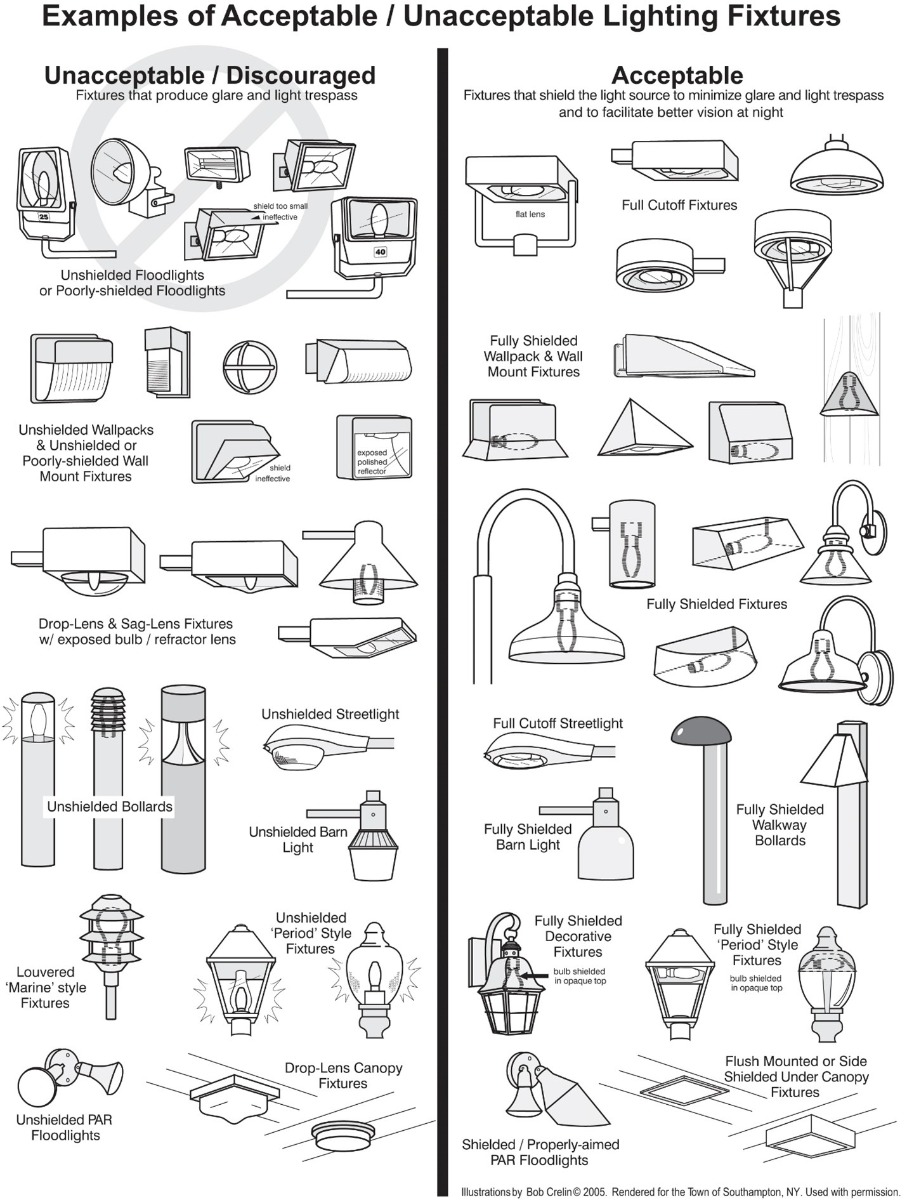
One of the most important characteristics of Dark Sky lighting is fixture shielding.
A fully shielded luminaire directs illumination below the horizontal plane of the fixture while minimizing direct visibility of the light source. Proper shielding can significantly reduce:
- Upward light and skyglow
- High-angle glare
- Light trespass
- Unnecessary energy use
Many municipalities define Dark Sky compliant fixtures as fixtures that emit little or no light above the horizontal plane and incorporate full-cutoff or fully shielded optics.
Illustration of shielded and unshielded fixtures
Color Temperature, Lumens, and Light Output
The appearance of white light is described by its correlated color temperature (CCT), measured in Kelvin (K). Lower color temperatures produce a warmer, more amber-toned light, while higher color temperatures contain a greater proportion of short-wavelength blue light.
For our Dark Sky lighting, we generally use 2700K or 3000K LED light engines:
| Color Temperature | Appearance | Typical Use |
|---|---|---|
| 2700K | Warm white with a softer, more traditional appearance | Preferred where a warmer, more night-friendly light is desired |
| 3000K | Warm white with a slightly cleaner appearance | Commonly used where a brighter-looking warm light is preferred |
DarkSky International recommends warmer outdoor lighting and generally limits approved residential luminaires to a nominal color temperature of 3000K or lower. Warmer 2700K light contains less blue-rich light and is often preferred for residential settings and environmentally sensitive areas.
What Are Lumens?
Lumens measure the total amount of visible light produced by a light source. Wattage measures energy use, while lumens describe brightness. A higher lumen rating means greater total light output.
More light is not always better outdoors. Excessive lumen output can increase glare, light trespass, and skyglow, especially when the light source is visible or the fixture is not properly shielded. Responsible outdoor lighting uses the lowest light level necessary for the intended area and directs that light downward.
The LED light engines used in our Dark Sky configurations produce a maximum of approximately 500 lumens per fixture. This moderate output is intended to provide useful downward illumination while helping limit excessive brightness and glare. Actual perceived brightness will vary depending on the fixture design, mounting height, shielding, finish, lens material, and surrounding conditions.
Local ordinances may regulate lumens per fixture, total lumens for the property, mounting height, shielding, or all of these factors. Customers should always confirm the specific requirements of their municipality, county, homeowners association, or other Authority Having Jurisdiction before ordering.
LED Technology
Modern LED technology offers several advantages over older lighting technologies when it is paired with proper shielding, suitable optics, and warm color temperatures.
- High luminous efficacy
- Long operating life
- Reduced maintenance
- Precise optical control
- Compatibility with many dimming systems
- Reduced energy consumption
When combined with proper fixture shielding and warm color temperatures of 3000K or lower, LED lighting can provide effective illumination while reducing unnecessary light pollution.
Dark Sky Requirements
Many cities, counties, planned communities, and homeowners associations have adopted outdoor lighting ordinances based on Dark Sky principles. Requirements commonly include:
- Fully shielded or full-cutoff fixtures
- Minimal or zero uplight
- A color temperature of 3000K or lower
- Reduced glare
- Controlled light trespass
- Appropriate light levels for the application
Because lighting codes vary by jurisdiction, compliance should always be verified with the local Authority Having Jurisdiction, building department, or homeowners association before installation.
Our Dark Sky Fixtures
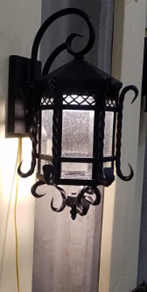
Many of our handcrafted wrought iron outdoor fixtures can be manufactured in Dark Sky configurations while maintaining their authentic architectural appearance.
Our Dark Sky options are designed to:
- Direct light downward where illumination is needed
- Reduce glare and light trespass
- Minimize upward light
- Accommodate warm LED light engines of 3000K or lower
- Assist with meeting many local Dark Sky lighting requirements
Because every municipality and homeowners association may adopt different lighting ordinances, customers should verify the specific requirements for their project before ordering. We are happy to help recommend fixtures that may be appropriate for your project.
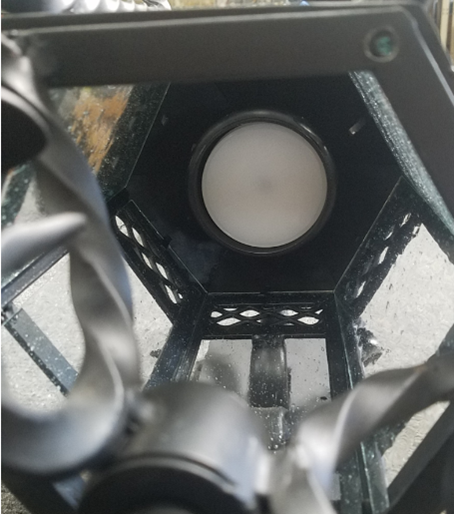
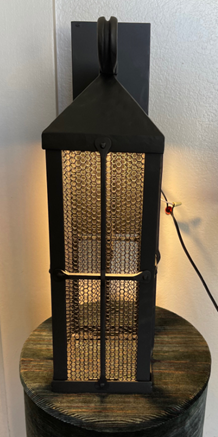
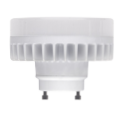
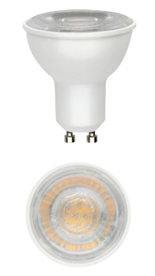
Examples of LED Light Engines We Use